
Chiman Publishing
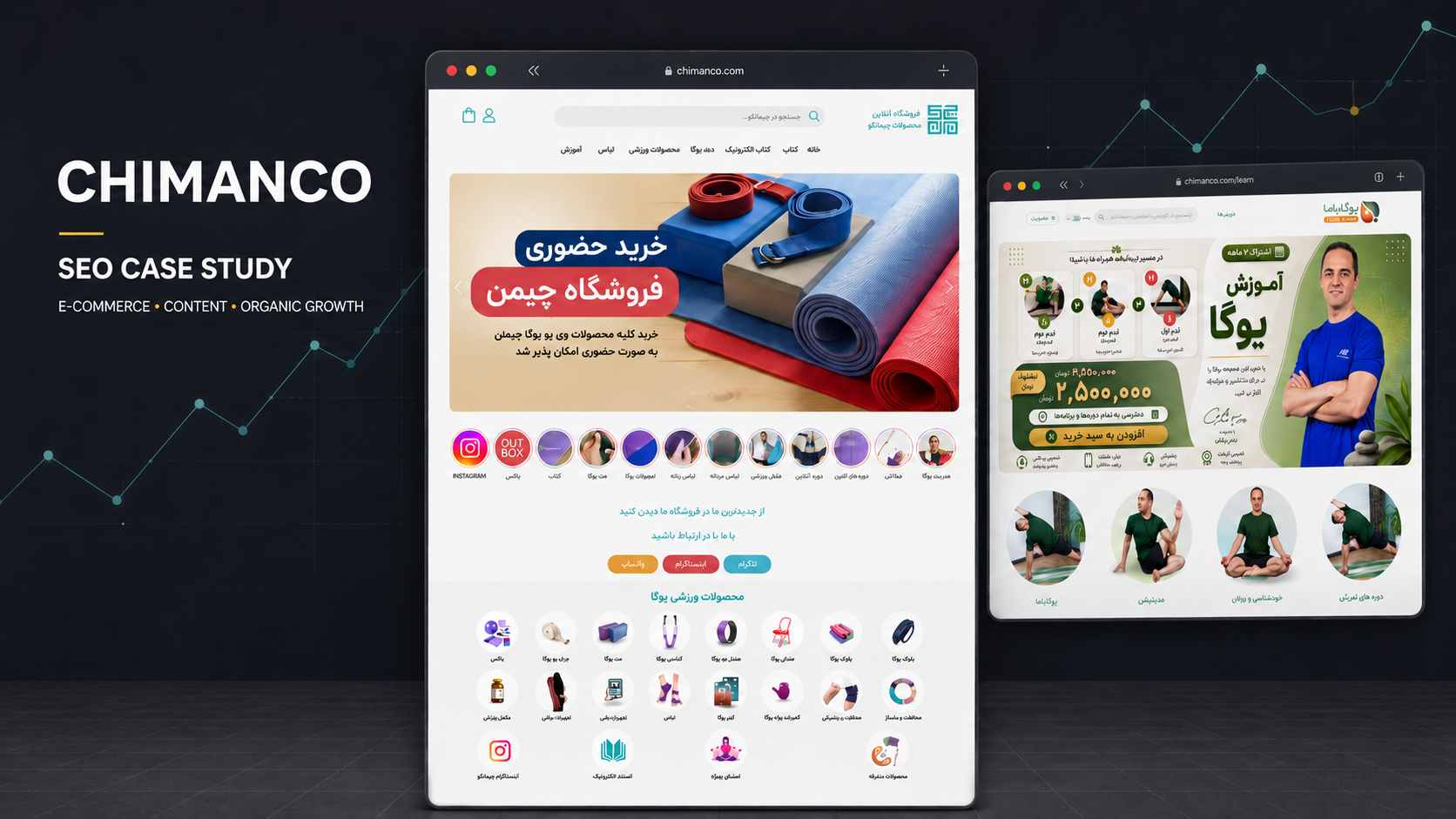
Project details
Description
Chiman Publishing’s website was facing serious technical and organic search issues after server and security-related problems had generated thousands of unwanted URLs and significantly affected the website’s search visibility.
I was responsible for evaluating the website’s SEO condition, identifying technical and structural problems, creating a recovery roadmap, improving on-page and content quality, monitoring search performance, and coordinating the technical fixes required to stabilize the website.
The project involved technical SEO auditing, indexing cleanup, URL and redirect analysis, metadata and SERP improvements, content restructuring, keyword research, category and product page optimization, schema improvements, and ongoing performance monitoring.
The Challenge
When I joined the project, the website was in an unstable SEO condition. Server and security-related issues had resulted in the generation and indexing of thousands of unwanted and spam URLs, while the website had also experienced a significant loss of organic visibility.
The initial audit uncovered a combination of technical, structural, content, and on-page SEO problems, including:
- Thousands of unwanted and spam URLs appearing in Google’s index
- Large numbers of 404 and invalid URLs
- Incorrect www/non-www handling and redirect issues
- Weak or missing meta descriptions
- Inconsistent heading structures
- Missing or weak image alt attributes
- Thin and underdeveloped category pages
- Weak product and article page structures
- Rich-result and schema implementation issues
- Website performance and image optimization problems
- Weak existing off-page SEO activity
- Lack of a clear keyword and SEO growth roadmap
My Role
As the Website & SEO Manager, I was responsible for diagnosing the website’s SEO problems, prioritizing recovery actions, defining the SEO roadmap, improving content and on-page optimization, conducting keyword research, monitoring search performance, and coordinating required technical fixes with the website’s technical team.
My work covered both strategic SEO planning and hands-on optimization, while server-side and development-specific fixes were coordinated with the technical developer where required.
Technical SEO & Indexing Recovery
I began by auditing the website’s technical and indexing condition to identify the main causes of lost search visibility.
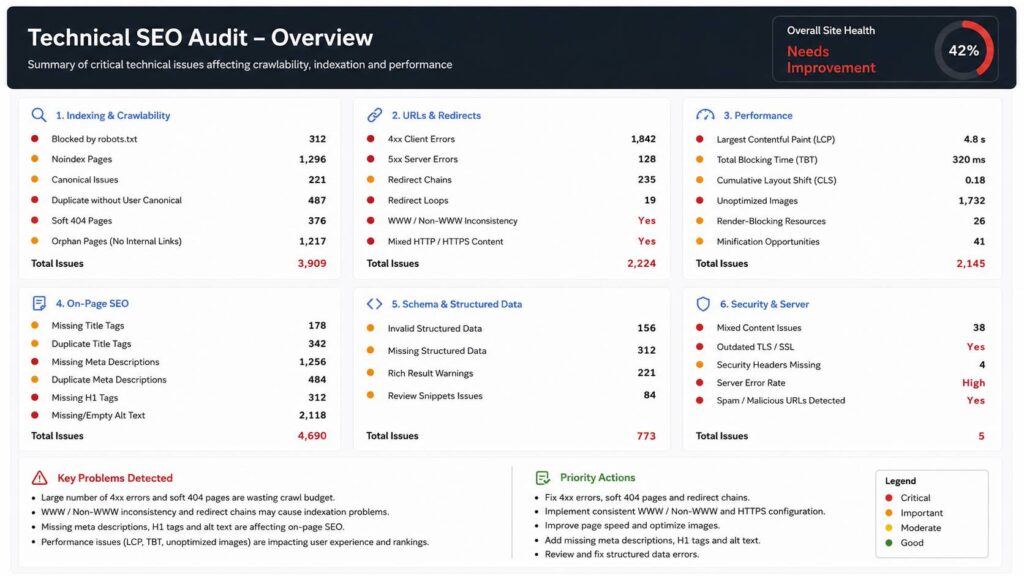
The audit revealed thousands of unwanted and spam URLs, large numbers of invalid and 404 pages, redirect inconsistencies, indexing problems, performance issues, and weaknesses in the website’s technical structure.
I prioritized the issues based on their potential impact on crawling, indexing, and organic visibility, then coordinated the required technical fixes with the development team while continuously monitoring the results in Google Search Console.
On-Page & SERP Optimization
I reviewed and improved key on-page elements across product, category, article, and landing pages.
This included improving metadata, heading structures, image alt attributes, internal linking, page content, and the way important pages were presented in search results.
Schema and rich-result implementations were also reviewed and improved where necessary to create clearer and more informative search-result appearances.
Content & Website Structure
A major part of the recovery strategy involved improving the quality and structure of the website’s content.
Several category and product pages had weak, thin, or poorly structured content. I reviewed these areas, improved existing content structures, planned new search-focused content, and developed more comprehensive content for strategically important sections of the website.
Article structures, product information, category pages, and publishing workflows were also reviewed to create a stronger foundation for organic search growth.
The indexation status of newly published products and content was monitored to identify pages that required additional attention.
Keyword Research & SEO Roadmap
I conducted comprehensive keyword research to redefine the website’s organic search priorities.
The new SEO roadmap connected keyword opportunities with search intent, product categories, informational content, website architecture, internal linking, and content production.
Rather than targeting isolated keywords, the strategy focused on building stronger topical coverage and aligning important website sections with relevant user searches.
The roadmap was continuously refined based on search performance, indexing progress, and newly identified opportunities.
Content Production & Publishing
Content production was revised to better align with keyword research, search intent, and the structure of important website categories.
Existing content was reviewed for quality and SEO relevance, while new long-form content was prepared for priority categories and informational topics.
I also worked on organizing and publishing large amounts of book-related content and monitored the indexing status of newly added products and pages.
Performance Monitoring & Reporting
Google Search Console and Google Analytics were used throughout the project to monitor search visibility, indexing problems, traffic sources, user acquisition, content performance, and organic search trends.
Regular analytical reports were prepared to document progress, identify unresolved problems, and determine the next priorities in the recovery roadmap.
This continuous monitoring made it possible to adjust the strategy as the website moved from a damaged SEO condition toward greater stability and renewed growth.
Key Improvements
Focused improvements across technical SEO, content, search visibility, and performance monitoring during the website recovery process.
Technical SEO Recovery
Audited and prioritized indexing issues, spam URLs, invalid pages, redirects, crawlability, and technical problems affecting search visibility.
On-Page SEO
Improved metadata, heading structures, internal linking, image optimization, and the overall SEO structure of important pages.
Content Optimization
Improved article, product, and category page structures and developed stronger search-focused content based on user intent.
Keyword Strategy
Conducted comprehensive keyword research and created a new SEO roadmap connecting search intent, content planning, and organic growth opportunities.
Schema & Search Appearance
Reviewed structured data, rich-result implementation, metadata, and SERP presentation to improve how important pages appeared in search.
Performance Monitoring
Used Google Search Console and Google Analytics to monitor indexing, organic visibility, traffic changes, and recovery progress.
Results
The SEO recovery work helped stabilize the website’s search condition, reduce the impact of spam and invalid URLs, improve indexing quality, and return organic performance to a healthier trajectory.
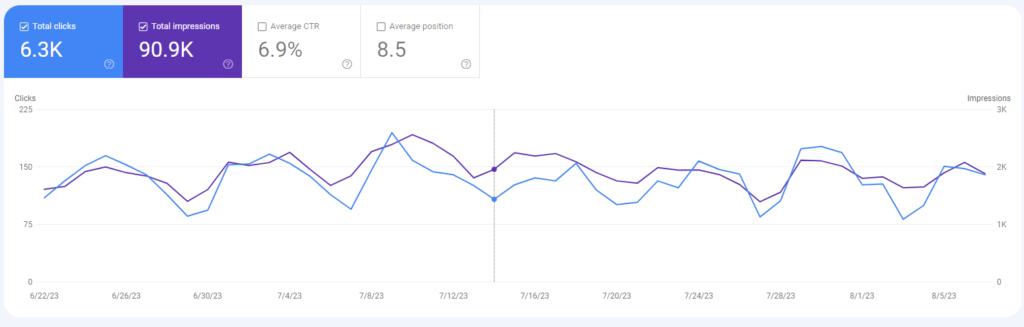
A documented Google Search Console snapshot during the recovery period recorded:
6.3K Clicks
90.9K Impressions
6.9% CTR
8.5 Average Position
Organic search traffic also showed positive movement compared with the preceding reporting period, while the number of spam URLs began trending downward after corrective actions were implemented.
The project established a significantly stronger technical, content, and SEO foundation for continued organic growth.
Tools & Technologies
- Google Search Console
- Google Analytics
- Technical SEO Auditing
- Keyword Research
- On-Page SEO
- Content Optimization
- Internal Linking
- Structured Data / Schema
- SEO Performance Reporting
- ASP.NET-based Website
Project Outcome
Chiman was primarily an SEO recovery project rather than a conventional growth campaign.
The engagement began with a website affected by serious indexing, spam URL, technical, content, and organic visibility problems.
Through comprehensive auditing, prioritization, technical coordination, keyword research, content improvements, on-page optimization, and continuous performance monitoring, the website was stabilized and returned to a healthier organic search trajectory.
The project demonstrates my ability to diagnose complex SEO problems, develop a practical recovery roadmap, coordinate technical implementation, improve content and search visibility, and use real performance data to guide SEO decisions.
Initial Indexing Crisis
Thousands of unwanted and spam URLs were generated and entered Google’s index following technical and security-related problems.
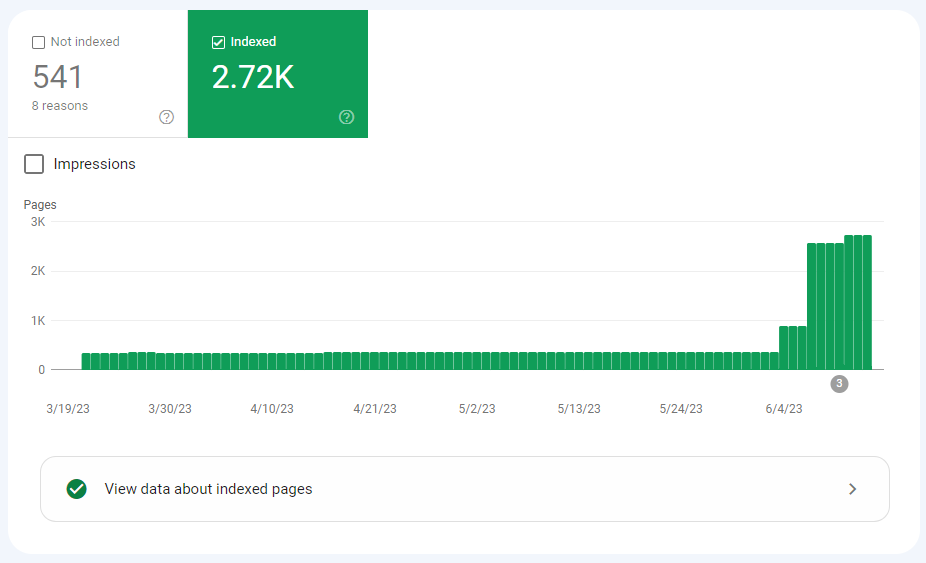
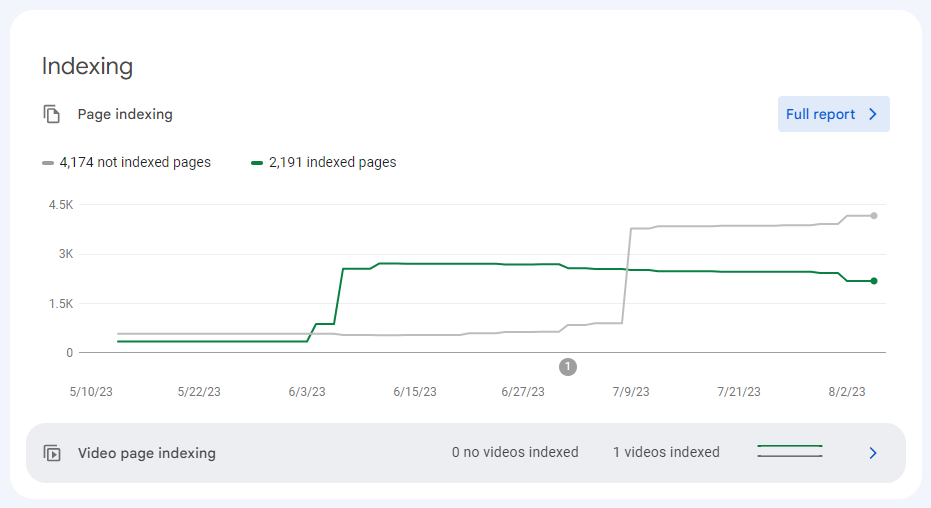
Spam URL Recovery
Search Console monitoring showed a downward trend in affected URLs after corrective actions were implemented.
Google Search Console Performance
A documented recovery-period snapshot showing 6.3K clicks, 90.9K impressions, a 6.9% CTR, and an average position of 8.5.
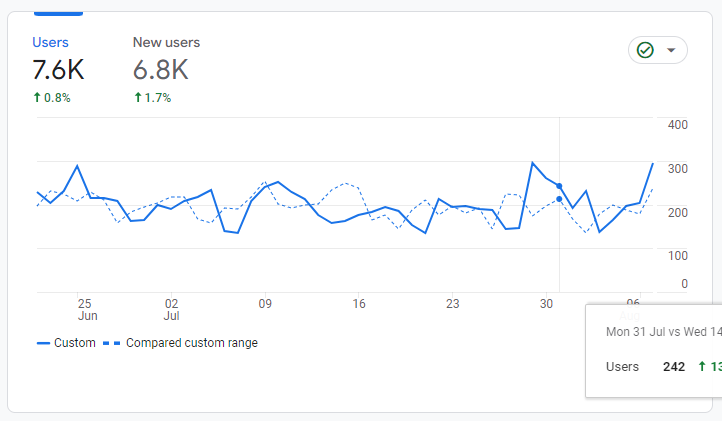
Website Traffic Monitoring
Google Analytics was used to monitor user acquisition and traffic-channel changes during the recovery period.
Technical SEO Audit
The initial audit identified indexing, redirect, performance, metadata, content, and crawlability issues requiring recovery.
-
Order Date:
01.04.2023 -
Final Date:
31.01.2024 -
Status:
Completed -
Client:
Chiman Publishing -
Location:
Tehran, Iran